Volver al catálogo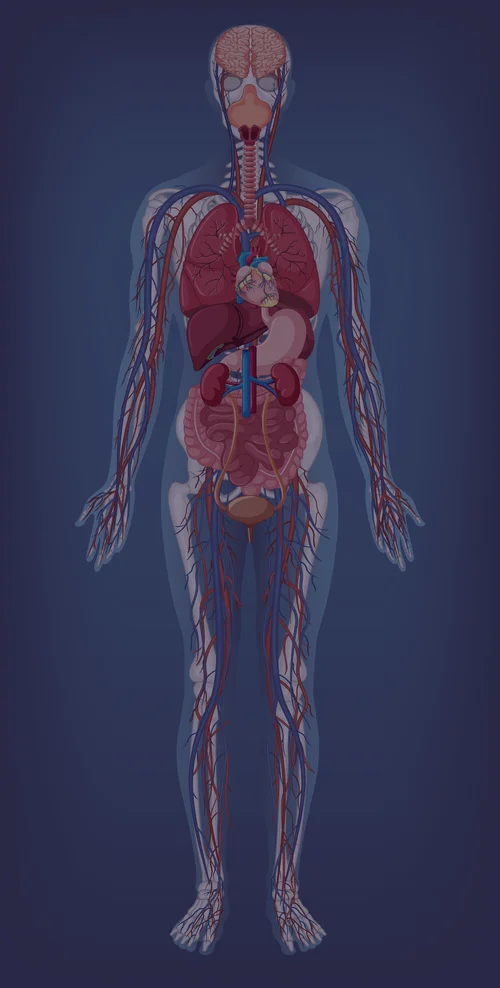
Peyote
HerbariasC32-(3,4,5-trimethoxyphenyl)ethanamine
Efectos
Alucinaciones visualescambios en la percepciónaumento en la apertura emocionalposibilidad de náuseas y vómitos.
Efectos en el organismo
Cerebro
Pulmones
Corazón
Hígado
Riñones
Tracto GI
Órgano afectado
Efecto primario
No afectado
Farmacocinética
Vida media
La mescalina (compuesto activo principal) tiene una vida media de aproximadamente 6 horas
Tiempo al pico
2-4 horas
Duración
10-12 horas
Inicio
30-90 minutos (oral)
Biodisponibilidad
Oral: ~85-90%
Metabolismo
Hígado
Excreción
Renal (60-90%)
Vol. distribución
2.5-3.5 L/kg
Cronología farmacocinética
Inicio30-90 minutos (oral)
Pico2-4 horas
Duración10-12 horas
Riesgos para la salud — Calculadora de dosis
Riesgo base ARES25 · Moderado
0.00 mgSin efecto
50 mg
150 mg
300 mg
500 mg
700 mg
Cardiovascular
Corto plazo
taquicardia levehipertensión transitoria
Largo plazo
riesgo cardiovascular mínimo con uso ocasional
Neurológico
Corto plazo
desorientaciónalteraciones perceptuales intensas
Largo plazo
flashbacks rarosposible precipitación de trastornos psiquiátricos latentes
Hepático
Renal
Psiquiátrico
Corto plazo
ansiedad intensapánicoepisodios psicóticos transitorios
Largo plazo
riesgo de desencadenar trastornos psiquiátricostrastorno perceptual persistente por alucinógenos
Respiratorio
Advertencias
- Contraindicado en personas con historial de trastornos psiquiátricos
- Puede precipitar episodios psicóticos en individuos predispuestos
- Evitar en embarazo y lactancia
- Náuseas y vómitos frecuentes al inicio
Combinaciones peligrosas
IMAOantidepresivos tricíclicoslitioestimulantesalcohol en exceso
Riesgo Individual (ARES)
25/100
Bajo
ARES v4 · escalar normalizado [0, 1]
BajoTToxicidad aguda(40%)34
DDependencia(35%)16
MMargen de seguridad(25%)33
AAmplificación ×35
Modelo ARES calculado: 20 de octubre de 2018
Fuentes de datos de dosificación
Los rangos de dosificación fueron compilados a partir de Goodman & Gilman's (14ª ed.), Rang & Dale (9ª ed.) y publicaciones indexadas en PubMed. Los valores representan promedios poblacionales para la vía de administración principal y no consideran variabilidad individual, tolerancia, peso corporal ni interacciones.