Mescalina
PsicodélicosC32-(3,4,5-trimethoxyphenyl)ethanamine
Estructura molecular
Datos: PubChem CID 4076 — National Library of Medicine
Efectos
Mecanismo de acción
Agonista parcial del receptor serotoninérgico 5-HT2A, mecanismo principal de su efecto alucinógeno. También actúa sobre 5-HT2B y 5-HT2C. A diferencia del LSD, tiene menor afinidad por receptores dopaminérgicos. Su estructura de feniletilamina le permite interactuar también con receptores adrenérgicos. La activación de 5-HT2A en la corteza visual y prefrontal produce alteraciones perceptuales y cognitivas.
Vida media
Vida media de aproximadamente 6 horas (rango 4-8 horas). La duración total de los efectos psicodélicos es de 8-12 horas.
Toxicidad
Mescaline (25 mg/kg; 66 muc/kg) was injected (ip) in mice 45 min before chlorpromazine (2.5, 5, 15 mg/kg), thioridazine (10, 30, 45 mg/kg), or chlorpromazine-sulfoxide (15 mg/kg). Excitement, agitation, slight increase in ventilation and occasional head-shaking were seen 30 min after mescaline and continued for 30-45 min thereafter; locomotor activity and the number of scratching events were significantly increased during this period. chlorpromazine (2.5, 5, 15 mg/kg) and thioridazine (10, 30, 45 mg/kg) partially or completely blocked mescaline-induced gross behavior; chlorpromazine-sulfoxide (15 mg/kg) was not effective. Increased scratching responses and locomotor activity induced by mescaline were antagonized by all doses of chlorpromazine and thioridazine; at higher doses, both chlorpromazine (7.5, 15 mg/kg) and thioridazine (45 mg/kg) induced cataleptic-like condition and marked hypothermia. Tissue levels of mescaline, examined 3 hr after its administration, were increased by all doses of chlorpromazine and a higher dose of thioridazine (45 mg/kg); chlorpromazine-sulfoxide and lower doses of thioridazine had no effect. For patient with a "bad trip" or panic reaction, provide gentle reassurance and relaxation techniques in a quiet environment. Treat agitation or severe anxiety states with diazepam or midazolam. Butyrophenones such as haloperidol are useful despite a small theoretic risk of lowering seizure threshold. Treat seizures, hyperthermia, rhabdomyolysis, hypertension, and cardiac arrhythmias if they occur. /LSD and other hallucinogens/ Specific Drugs and Antidotes: There are no specific antidote. Sedating doses of diazepam may alleviate anxiety, and hypnotic doses can induce sleep for the duration of the "trip". /LSD and other hallucinogens/ Decontamination: Most of these drugs are taken orally in small doses, and decontamination procedures are relatively ineffective and likely to aggravate psychological distress. Consider the use of activated charcoa
Farmacología
Alcaloide psicodélico feniletilamínico del peyote (Lophophora williamsii) y San Pedro (Echinopsis pachanoi). Produce alteraciones visuales, sinestesia, introspección y experiencias místicas durante 8-12 horas. Menor potencia que el LSD (dosis activa 200-400 mg). Baja toxicidad aguda. Uso ceremonial milenario en culturas indígenas americanas.
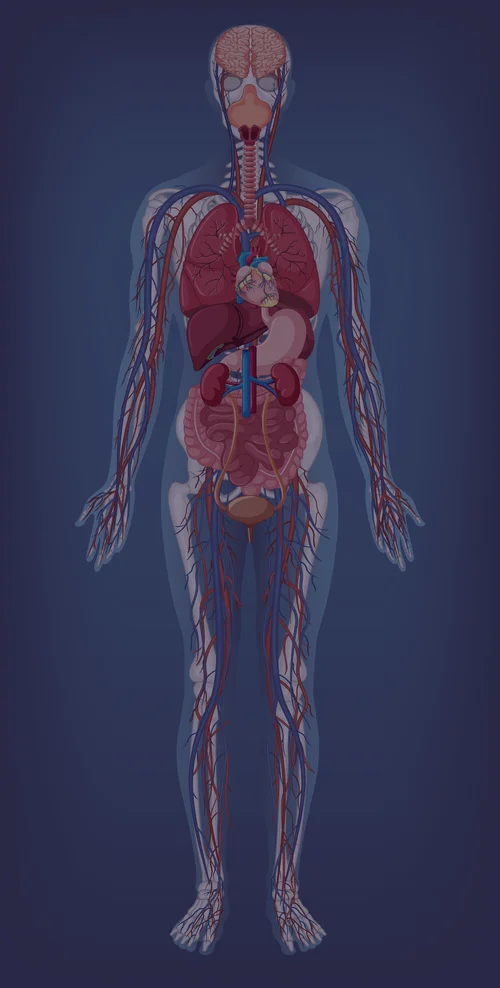
Efectos en el organismo
Farmacocinética
Vida media de aproximadamente 6 horas (rango 4-8 horas)
2 horas
6-14 horas
30 minutos - 2 horas (oral)
Oral: absorción rápida, biodisponibilidad alta
Hígado
Renal (60% sin cambios, 40% metabolitos en 24h)
Varios L/kg (amplia distribución tisular)
Cronología farmacocinética
Riesgos para la salud — Calculadora de dosis
Advertencias
- Evitar en pacientes con historial de psicosis
- Riesgo de hipertermia
- Ambiente controlado necesario
- Supervisión médica recomendada
Combinaciones peligrosas
Riesgo Individual (ARES)
Bajo
ARES v4 · escalar normalizado [0, 1]
BajoModelo ARES calculado: 20 de octubre de 2018
Fuentes de datos de dosificación
Los rangos de dosificación fueron compilados a partir de Goodman & Gilman's (14ª ed.), Rang & Dale (9ª ed.) y publicaciones indexadas en PubMed. Los valores representan promedios poblacionales para la vía de administración principal y no consideran variabilidad individual, tolerancia, peso corporal ni interacciones.