Kratom
HerbariasC4methyl (E)-2-[(2S,3S,12bS)-3-ethyl-8-methoxy-1,2,3,4,6,7,12,12b-octahydroindolo[2,3-a]quinolizin-2-yl]-3-methoxyprop-2-enoate
Estructura molecular
Datos: PubChem CID 3034396 — National Library of Medicine
Efectos
Mecanismo de acción
La mitraginina (alcaloide principal) es un agonista parcial del receptor mu-opioide con propiedades antinociceptivas y antitusivas. También actúa como antagonista de 5-HT2A y agonista adrenérgico α2. A dosis bajas predominan efectos estimulantes por interacción con receptores adrenérgicos; a dosis altas predominan efectos opioides sedantes y analgésicos.
Vida media
La mitraginina, principal alcaloide activo, tiene una vida media de aproximadamente 3.5 horas (rango 2.9-4.6 horas) tras administración oral. La 7-hidroximitraginina tiene una vida media más corta de aproximadamente 2.5 horas.
Toxicidad
Mitragynine (MG), a major alkaloidal constituent extracted from the plant Mitragyna speciosa Korth, is known to exert an opioid-like activity. ... Previous study showed the involvement of opioid systems in the antinociceptive activity of MG in the tail-pinch and hot-plate tests in mice. In /this/ study, to clarify the opioid receptor subtypes involved in the antinociceptive action of MG, ... the effects of selective antagonists for mu-, delta- and kappa- opioid receptors on antinociception caused by the intracerebroventricular (i.c.v.) injection of MG in the tail-pinch and hot-plate tests in mice /were investigated/. The coadministration of a selective mu-opioid antagonist, cyprodime (1-10 ug, i.c.v.) and the pretreatment with a selective mu1-opioid antagonist naloxonazine (1-3 ug, i.c.v.) significantly antagonized the antinociceptive activities of MG (10 ug, i.c.v.) and morphine (MOR, 3 ug, i.c.v.) in the tail-pinch and hot-plate tests. Naltrindole (1-5 ng, i.c.v.), a selective delta-opioid antagonist, also blocked the effects of MG (10 ug, i.c.v.) without affecting MOR (3 ug, i.c.v.) antinociception. Nor-binaltorphimine, a selective kappa-opioid antagonist, significantly attenuated MG (10 ug, i.c.v.) antinociception in the tail-pinch test but not in the hot-plate test at the dose (1 ug, i.c.v.) that antagonized the antinociceptive effects of the selective kappa-opioid agonist U50,488H in both tests, while it had no effect on MOR antinociception in either tests. These results suggest that antinociception caused by i.c.v. MG is dominantly mediated by mu- and delta-opioid receptor subtypes, and that the selectivity of MG for the supraspinal opioid receptor subtypes differs from that of MOR in mice. ... A case of kratom dependence /is described/ in a 44-year-old man with a history of alcohol dependence and anxiety disorder. He demonstrated dependence on kratom with withdrawal symptoms consisting of anxiety, restlessness, tremor, sweating and cravings for the substanc
Farmacología
Planta del sudeste asiático (Mitragyna speciosa) con efectos dosis-dependientes: a dosis bajas (1-5 g), efectos estimulantes; a dosis altas (5-15 g), efectos sedantes y analgésicos opioides. Contiene más de 40 alcaloides, siendo la mitraginina el principal. Potencial de dependencia y abstinencia similares a opioides leves. No aprobada por FDA. Uso como automedicación para dolor crónico y abstinencia de opioides.
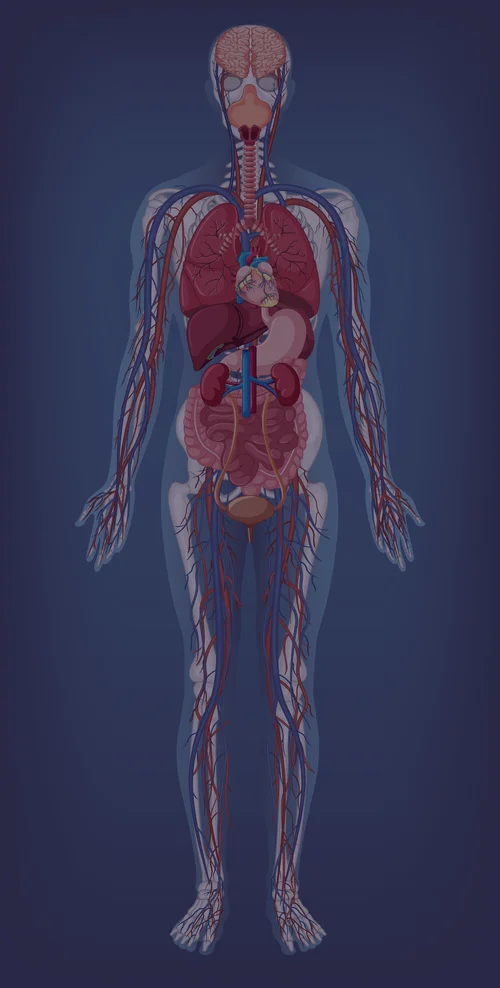
Efectos en el organismo
Farmacocinética
La mitraginina, principal alcaloide activo, tiene una vida media de aproximadamente 3
1.26 horas
4-6 horas
30-60 minutos (oral)
Oral: datos limitados
Hígado
Renal (metabolitos identificados en orina)
37.90 L/kg
Cronología farmacocinética
Riesgos para la salud — Calculadora de dosis
Advertencias
- Alto potencial de dependencia y abstinencia
- No combinar con otros depresores del SNC
- Evitar en personas con historial de dependencia a opioides
- Dosis altas pueden causar depresión respiratoria
Combinaciones peligrosas
Riesgo Individual (ARES)
Moderado
ARES v4 · escalar normalizado [0, 1]
ModeradoModelo ARES calculado: 20 de octubre de 2018
Fuentes de datos de dosificación
Los rangos de dosificación fueron compilados a partir de Goodman & Gilman's (14ª ed.), Rang & Dale (9ª ed.) y publicaciones indexadas en PubMed. Los valores representan promedios poblacionales para la vía de administración principal y no consideran variabilidad individual, tolerancia, peso corporal ni interacciones.